NOAA Ocean Exploration maps deep habitats where many species remain undescribed. We know more about the surface of the moon than we do about the deepest parts of our own oceans. In the crushing pressure and absolute darkness of the abyss, life has evolved in ways that seem straight out of science fiction. Here are ten of the most astounding wonders brought to the surface by modern submersibles and the secrets of the deep-sea frontier.
1. The Living Lights
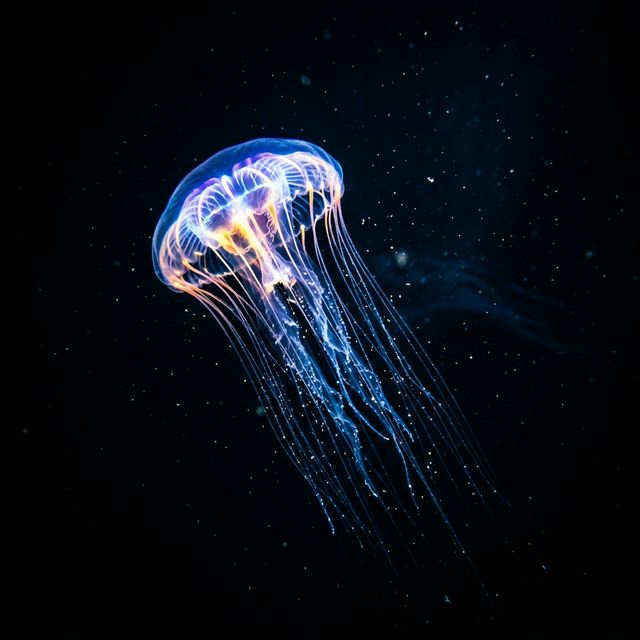
In the "Midnight Zone" of the ocean, bioluminescence is the rule rather than the exception. Creatures use light not just to see, but to hunt, find mates, and distract predators. The complexity of these light displays is staggering, with some organisms capable of producing multi-colored patterns that ripple across their bodies like organic neon signs.
2. The Mariana Trench: Earth's Deepest Point
At 36,000 feet deep, the pressure in the Mariana Trench is over 1,000 times that at sea level. Only a handful of humans have ever descended into this abyss. There, life consists of amphipods and strange xenophyophores that thrive in total darkness and crushing weights, proving that life is far more tenacious than we ever imagined. The "Challenger Deep" remains one of the most hostile environments on Earth.
3. Hydrothermal Vents: Life Without Sunlight
In a place where there is zero sunlight, entire ecosystems thrive around geysers that spew superheated, mineral-rich water. Instead of photosynthesis, these organisms use chemosynthesis to create energy from chemicals. These vents are considered possible locations for where life on Earth might have originated—a mystery we're only starting to understand.
4. The Giant Squid: Fact vs. Fiction

Once considered a myth, the Architeuthis dux is very real. Growing up to 43 feet long with eyes the size of dinner plates, it hunts in the dark of the deep ocean. It wasn't until 2004 that the first images of a live giant squid in its natural habitat were captured, finally confirming the legends of the kraken were based on reality. Their battles with sperm whales are legendary struggles of the abyss.
5. Deep Sea Gigantism
In the deep ocean, many species grow much larger than their shallow-water relatives. This phenomenon, known as abyssal gigantism, affects creatures like giant isopods and Japanese spider crabs. Scientists believe this may be an adaptation to the cold temperatures, scarce food supplies, and the need to conserve energy over long migrations.
6. The Vampire Squid
Neither a squid nor an octopus, Vampyroteuthis infernalis is a unique relict from another era. Its name comes from its dark-colored body and the cape-like webbing between its arms. Instead of hunting live prey, it uses long sensory filaments to collect "marine snow"—the detritus that falls from the upper layers of the ocean.
7. Cold Seeps and Brine Pools
Not all deep-sea features are volcanic. Cold seeps release methane and hydrogen sulfide from the ocean floor, supporting communities of tube worms and mussels. Some of these areas create underwater "brine pools"—ultra-salty lakes at the bottom of the ocean that are so dense and toxic they look like shimmering, underwater shorelines.
8. Whale Falls: A Deep-Sea Feast
When a whale dies and its body sinks to the abyss, it creates a massive localized ecosystem known as a whale fall. For decades, the carcass provides food for scavengers, bone-eating worms (Osedax), and thousands of other organisms. It is one of the most dramatic examples of nutrient cycling in the deep-sea environment.
9. The Dragonfish: The Ultimate Predator
Despite its small size, the dragonfish is one of the most terrifying hunters in the deep. It has elongated, transparent teeth that are larger relative to its body than those of any other fish. It also produces red light from organs near its eyes—a "sniper scope" that allows it to see prey without being detected by the myriad creatures that only see blue light.
10. The Mystery of the Colossal Squid
Heavier and even more mysterious than the giant squid, the colossal squid is estimated to grow up to 1,000 pounds. It possesses rotating hooks on its tentacles and lives almost exclusively in the Southern Ocean surrounding Antarctica. Only a few specimens have ever been found, mostly in the stomachs of sperm whales, leaving its life in the abyss largely a mystery.
FeexHub's Take
At FeexHub, we believe the deep ocean is the final frontier on Earth, a world more alien than parts of our solar system. Exploring it isn't just about discovery; it's about humility. It’s a reminder of how much we still don’t know about our own planet. Protecting these fragile, unseen worlds is critical for the total health of our biosphere. The deep sea is a treasure chest of secrets we’ve barely unlocked!