Question 1 / 15
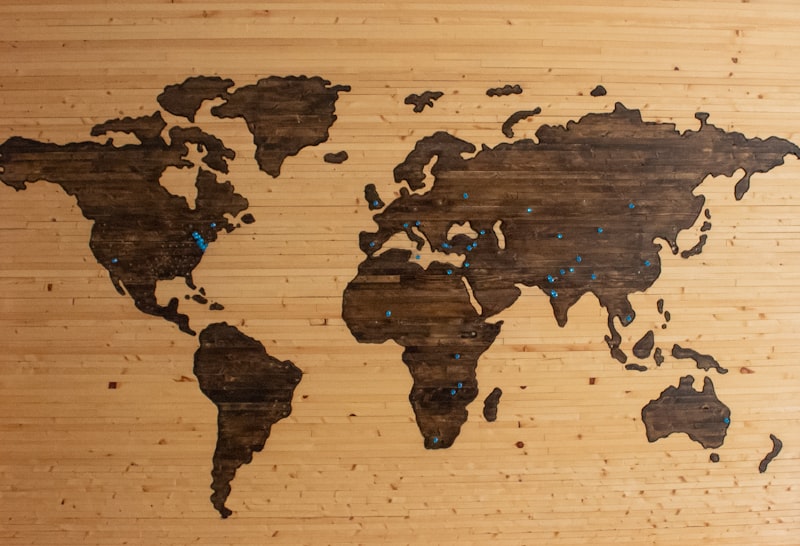
What is the capital of Australia?
The Nile River stretches approximately 4,130 miles through northeastern Africa, making it the longest river in the world. It flows through 11 countries and has been the lifeblood of Egyptian civilization for over 5,000 years.
Question 2 / 15
Which country has the most time zones?
Russia spans 11 time zones and covers more than 6.6 million square miles, making it the largest country on Earth. It is so vast that when it is midnight in Kaliningrad (west), it is already 10 AM in Kamchatka (east).
Question 3 / 15
What is the longest river in the world?
Mount Everest stands at 29,032 feet (8,849 meters), making it the highest point on Earth above sea level. The mountain grows about 4 millimeters each year due to geological forces pushing the Himalayan range upward.
Question 4 / 15
Which city is known as the "City of Love"?
The Sahara Desert covers approximately 3.6 million square miles across North Africa, making it the world's largest hot desert. Despite its extreme heat, temperatures can drop below freezing at night in some areas during winter.
Question 5 / 15
What is the smallest country in the world?
Australia is both a country and a continent — making it the world's largest island nation. It is home to more than 140 species of land snakes, the Great Barrier Reef (the largest living structure on Earth), and unique wildlife found nowhere else.
Question 6 / 15
Which desert is the largest in the world?
The Amazon Rainforest spans approximately 2.1 million square miles and produces about 20% of the world's oxygen. It is home to an estimated 10% of all species on Earth and spans nine South American countries.
Question 7 / 15
What is the capital of Canada?
Tokyo, Japan's capital, has a metropolitan population of over 37 million people, making it the world's most populous urban area. Despite its density, Tokyo consistently ranks as one of the safest major cities in the world.
Question 8 / 15
Which mountain is the tallest in the world?
The Great Wall of China stretches over 13,000 miles when including all its branches and sections. Contrary to popular myth, it is not visible from space with the naked eye — this legend predates actual space travel.
Question 9 / 15
What country has the most islands?
Canada has the longest coastline of any country in the world, stretching over 151,000 miles. If you walked the entire coastline at 20 km per day, it would take approximately 33 years to complete the journey.
Question 10 / 15
Which ocean is the deepest?
The Dead Sea, bordered by Jordan, Israel, and Palestine, sits at 1,410 feet below sea level — the lowest point on Earth's surface. Its extreme salinity (roughly 10 times saltier than the ocean) allows swimmers to float effortlessly.
Question 11 / 15
What is the capital of Brazil?
The Pacific Ocean is the largest and deepest ocean on Earth, covering more area than all of Earth's landmass combined. Its deepest point, the Challenger Deep in the Mariana Trench, reaches nearly 36,000 feet below the surface.
Question 12 / 15
Which country is both in Europe and Asia?
Iceland sits on the Mid-Atlantic Ridge, making it one of the most geologically active places on Earth. Despite its name, only about 11% of Iceland is covered by glaciers, and it harnesses geothermal energy for nearly all its heating needs.
Question 13 / 15
What is the most visited country in the world?
The Andes is the longest continental mountain range in the world, stretching over 4,300 miles along the western coast of South America through seven countries. It contains many of the world's highest volcanoes.
Question 14 / 15
Which African country was never colonized?
Vatican City, at just 0.17 square miles, is the smallest independent country in the world. Despite its tiny size, it is the spiritual center for over 1.3 billion Catholics and houses priceless artworks including Michelangelo's Sistine Chapel ceiling.
Question 15 / 15
What strait separates Europe from Africa?
Your Results
🏆 Amazing!
You're a true geography expert!
👍 Great Job!
You really know your way around the world.
👌 Not Bad!
You know the basics but some tricky ones got you.
📚 Keep Learning!
Time to break out the atlas!
💪 Try Again!
The world is full of surprises - give it another shot!
Lake Baikal in Siberia, Russia, is the deepest and oldest lake in the world, holding about 20% of the world's unfrozen fresh water. It is home to over 2,500 species of plants and animals, many found nowhere else on Earth.
Learn more: How Well Do You Know World Geography?
Geography connects physical landscapes with human settlement and political borders. The CIA World Factbook remains a standard reference for capitals and terrain.
Rivers and mountain ranges influence climate and biodiversity. Capitals sometimes differ from largest cities — a common quiz trap.
Follow with World Landmarks and Global Cuisine.